'%3e%3cpath%20id='Path_84134'%20data-name='Path%2084134'%20d='M463.506,45.319c.05.9.033,1.834,0,2.733-1.366,37.226-54.177,81.06-91.112,74.809-10.2-1.727-25.263-14.509-28.533-24.267-15.13,5.322-37.38,18.858-48.975,1.253-12.431,4.049-23.175,12.207-36.808,6.808-20.683-8.185-3.374-45.768-11.014-51.912-2.3-1.854-8.933-1.069-10.547,1.039-2.242,2.926-6.341,21.882-8.85,27.765-3.571,8.359-13.353,25.463-23.472,25.891-15.541.655-21.848-26.856-28.537-27-5.432-.117-17.813,29.362-23.435,28.376L134.186,80.861c-2.953.01-18.631,26.612-25.052,28.436C98.42,112.344,96,96.145,90.188,90.426c-32.439,42.695-68.161,11.245-52.994-34.914,7.583-23.078,26.539-38.048,51.5-34.664,21.407,2.9,22.66,29.515,1.617,27.1-8.853-1.016-12.491-7.517-21.5.728-5.876,5.379-18.314,32.552-6.047,33.594,12.11-1.8,18.073-30.407,32.215-23.94,4.3,1.968,10.122,15.528,14.97,12.755,3.869-5.435,22.009-30.661,27.037-31.249,8.141-.949,14.342,17.956,19.223,23.242,4.149.986,15.387-27.538,25.42-22.587,5.051,2.492,17.823,34.667,22.67,33.514l8.9-19.871c-.184-3.531-7.266-5.315-8.913-11.509-4.657-17.522,11-29.482,25.954-20.322,3.384,2.071,5.365,7.109,7.306,7.771,7.914,2.686,26.789-3.448,33.534,3.568,6.688,6.959,1.417,31.867,2.612,42.481.187,1.65.217,4.149,2.232,4.634,1.824.441,12.615-4.6,13.657-6.742,3.832-7.884-3.464-37.219,5.659-43.553,7.163-4.968,17.475-3.885,20.773,4.978,2.84,7.644.334,9.575.311,15.975-.02,4.41-.722,26.435,1.607,27.892,5.245.611,13.54-.668,13.647-7.283.124-7.35-2.218-15.9-1.42-24.631C332.382,22.97,351.861,5.8,376.573,13.519c3.762,1.173,10.764,5.756,13.37,5.746,4.75-.017,18.494-8.389,27.668-9.294,22.346-2.2,44.569,11.405,45.9,35.348m-92.128-5.472c-30.514-.9-8.622,59.9,11.014,56.829,15.3-2.4,49.273-25.279,51.912-41.445,1.416-8.679-1.771-15.464-11.355-15.494-17.118-.05-48.391,37.52-51.571.11'%20transform='translate(78.646%2022.796)'%20fill='%231c63b7'/%3e%3cpath%20id='Path_84135'%20data-name='Path%2084135'%20d='M4.982,97.261c6.2-6.448,22.988-7.908,26.125,2.492,2.432,8.055-2.148,13.4,9.4,16.617,13.3,3.7,45.481-9.528,38.946-23.642C72.111,76.873.709,78.864,3.235,43.041,5.62,9.193,78.194-9.863,104.242,5.241c18.765,10.881,9.01,34.881-7.677,29.485-4.644-1.5-8.93-8.312-14.946-9.742-10.694-2.542-25.767.965-35.4,6.01-8.506,4.453-17.556,11.429-5.529,18.26,17.429,9.9,61.693,13.9,65.5,37.383,7.413,45.741-62.679,68.529-94.677,44.879-10.323-7.63-16.343-24.05-6.528-34.256'%20transform='translate(-0.001%200.002)'%20fill='%231c63b7'/%3e%3cpath%20id='Path_84136'%20data-name='Path%2084136'%20d='M122.432,4.842C146.756.426,150.8,31.288,128.615,34.3c-20.993,2.85-26.235-25.814-6.184-29.455'%20transform='translate(257.1%2010.325)'%20fill='%231c63b7'/%3e%3c/g%3e%3c/svg%3e)
'%20fill='%231c63b7'/%3e%3c/clipPath%3e%3c/defs%3e%3cg%20id='Group_820'%20data-name='Group%20820'%20transform='translate(0%200)'%3e%3cg%20id='Group_819'%20data-name='Group%20819'%20clip-path='url(%23clip-path)'%3e%3cpath%20id='Path_28'%20data-name='Path%2028'%20d='M162.285,20.389c.015.268.01.549,0,.818-.409,11.143-16.217,24.264-27.273,22.393-3.053-.517-7.562-4.343-8.541-7.264-4.529,1.593-11.189,5.645-14.66.375-3.721,1.212-6.937,3.654-11.018,2.038-6.191-2.45-1.01-13.7-3.3-15.539a3.018,3.018,0,0,0-3.157.311c-.671.876-1.9,6.55-2.649,8.311-1.069,2.5-4,7.622-7.026,7.75-4.652.2-6.54-8.039-8.542-8.081-1.626-.035-5.332,8.789-7.015,8.494l-5.4-8.967c-.884,0-5.577,7.966-7.5,8.512-3.207.912-3.93-3.937-5.671-5.649-9.71,12.78-20.4,3.366-15.863-10.451,2.27-6.908,7.944-11.389,15.415-10.376,6.408.869,6.783,8.835.484,8.111-2.65-.3-3.739-2.25-6.436.218-1.759,1.61-5.482,9.744-1.81,10.056,3.625-.539,5.41-9.1,9.643-7.166,1.286.589,3.03,4.648,4.481,3.818,1.158-1.627,6.588-9.178,8.093-9.354,2.437-.284,4.293,5.375,5.754,6.957,1.242.3,4.606-8.243,7.609-6.761,1.512.746,5.335,10.377,6.786,10.032l2.663-5.948c-.055-1.057-2.175-1.591-2.668-3.445-1.394-5.245,3.292-8.825,7.769-6.083,1.013.62,1.606,2.128,2.187,2.326,2.369.8,8.019-1.032,10.038,1.068,2,2.083.424,9.539.782,12.716.056.494.065,1.242.668,1.387.546.132,3.776-1.376,4.088-2.018,1.147-2.36-1.037-11.141,1.694-13.037,2.144-1.487,5.231-1.163,6.218,1.49.85,2.288.1,2.866.093,4.782-.006,1.32-.216,7.913.481,8.349,1.57.183,4.053-.2,4.085-2.18.037-2.2-.664-4.76-.425-7.373.668-7.31,6.5-12.45,13.9-10.139,1.126.351,3.222,1.723,4,1.72,1.422-.005,5.536-2.511,8.282-2.782,6.689-.66,13.341,3.414,13.738,10.581m-27.577-1.638c-9.134-.27-2.581,17.931,3.3,17.011,4.581-.717,14.749-7.567,15.539-12.406.424-2.6-.53-4.629-3.4-4.638-5.124-.015-14.485,11.231-15.437.033'%20fill='%231c63b7'/%3e%3cpath%20id='Path_29'%20data-name='Path%2029'%20d='M1.491,29.114c1.856-1.93,6.881-2.367,7.82.746.728,2.411-.643,4.012,2.813,4.974,3.982,1.109,13.614-2.852,11.658-7.077C21.585,23.011.212,23.607.968,12.884,1.682,2.752,23.406-2.952,31.2,1.569c5.617,3.257,2.7,10.441-2.3,8.826-1.39-.45-2.673-2.488-4.474-2.916-3.2-.761-7.713.289-10.6,1.8-2.546,1.333-5.255,3.421-1.655,5.466,5.217,2.964,18.467,4.162,19.606,11.19C34,39.626,13.023,46.447,3.445,39.368c-3.09-2.284-4.892-7.2-1.954-10.254'%20fill='%231c63b7'/%3e%3cpath%20id='Path_30'%20data-name='Path%2030'%20d='M113.607,4.54c7.281-1.322,8.492,7.916,1.851,8.817-6.284.853-7.853-7.727-1.851-8.817'%20fill='%231c63b7'/%3e%3c/g%3e%3c/g%3e%3c/svg%3e)
From “Governance as a Protective Mechanism” to “Governance that Supports Growth”—A Roundtable Discussion with Outside Directors—

Outside Director
Masae Yamanaka
Outside Director
Yu Sasamoto
Outside Director
Shizuko Kamoda
Sanrio is working to evolve its governance to support growth as it pursues its 10-year Long-Term Vision. Managing Executive Officer Seiichiro Matsumoto facilitated a discussion with three outside directors on the Company’s response to the incident of misconduct disclosed in April 2026 and on the role of the Board of Directors looking ahead to 2035.
Further evolving governance to drive the next phase of growth
Matsumoto:The improper receipt of compensation by an officer, disclosed in April 2026, caused considerable concern among stakeholders. How do you view this matter?
Sasamoto:To speak frankly, this was a deeply regrettable incident. At the same time, the matter came to light through internal whistleblowing, and the process moved swiftly from the Special Investigation Committee’s inquiry to publication of its report and formulation of measures to prevent recurrence. That shows that the Company's mechanisms for identifying and correcting problems functioned to a meaningful degree. The reforms and business growth strategy that Sanrio has built over the years remain sound. While taking this incident seriously and ensuring thorough prevention of recurrence, I believe it is also necessary to assess with clear eyes the value of reforms and growth strategy that Sanrio has built up over time. The Board of Directors must address, from a higher vantage point, the challenge of maintaining strong governance while sustaining growth during this period of expansion.
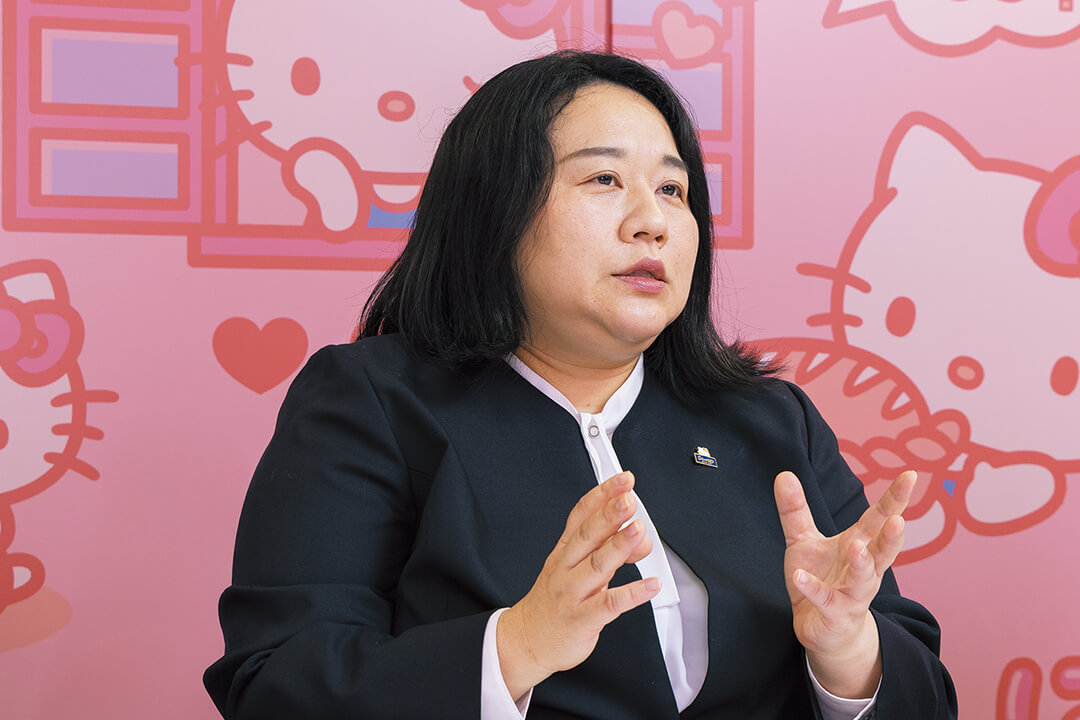
Kamoda:First of all, as an outside director, I feel responsible for our failure to prevent this incident. As the Company expands globally, we failed to adequately grasp the management and operational risks surrounding compensation practices at overseas subsidiaries. This is a matter for reflection, and I think clearer rules will be needed. In developing preventive measures, major decisions, including the separation of management and execution, were made swiftly, unconstrained by established precedent. This agility is a strength of the management team, and we should be able to learn from this experience and translate it into further growth.
Yamanaka:This is a time when performance is improving and expectations are rising. That is precisely why we must take seriously the fact that an incident damaging trust has occurred. At the same time, as Mr. Sasamoto noted, the swift series of responses also demonstrated an evolution in governance. What matters most is ensuring this is not treated as an isolated individual issue. We should revisit whether qualitative information, such as executives’ conduct and performance assessments, was being communicated appropriately. Beyond strengthening rules, we recognize that the challenge ahead is to go further: determining how to identify, evaluate, and oversee management personnel. I recognize that taking these steps will be an important challenge going forward.
Matsumoto:Some investors have also raised concerns, informed by past incidents, that there may be underlying issues with the Company’s culture.
Yamanaka:Governance, I believe, cannot be achieved just by putting systems in place. Processes that were once unproblematic can become inappropriate as circumstances change. Rather than assuming that what worked before still works today, it is important that every individual on the ground questions whether current practices are truly right today, ensuring that governance functions effectively through both robust rules and the right mindset.
The “lighthouse” vision of becoming a global IP platform provider is moving from concept to execution
Matsumoto:FY3/2026 marked yet another record-high performance. What aspects of the past year do you consider most noteworthy?
Sasamoto:Beyond the strong financial performance, I am encouraged to see the“lighthouse” of our vision as a global IP platformer beginning to take shape. In the Long-Term Vision, the “lighthouse” is presented as a complete picture. In reality, the Company is still bringing that picture to life. I believe that beginning to build the foundation for that vision is one of the most significant achievements of the past fiscal year.
Yamanaka:While we had set a target of achieving a market capitalization of 5 trillion yen, the path to reaching it had previously been unclear. Today, the expansion of the character portfolio, the global expansion, and the entry into the game business are each bringing the world depicted in the “lighthouse” to life, one step at a time. So the path forward is becoming concrete. While the Board of Directors is highly focused on share price, I believe our strength lies in the fact that this focus is always discussed alongside the values Sanrio holds dear, and not as a pursuit of numbers alone.
Sasamoto:At the same time, the character portfolio is a challenging subject. It is not simply about expanding the IP portfolio. We must also strike the right balance in determining how to nurture new IP while continuing to cherish and cultivate beloved characters with a long history, including Hello Kitty. I believe it is necessary to steer the course in a way that expands the “lighthouse” while respecting the views of all our stakeholders.
Matsumoto:How do you view the goal of the Medium-Term Management Plan (FY3/2025–FY3/2027), of breaking free from volatility?
Yamanaka:I think that the very establishment of the “lighthouse” itself constitutes breaking free from volatility. Managing volatility remains important, but as the character, business, and geographic portfolios expand, I sense that the focus of discussion is actually shifting toward the next growth themes. I see this as a reflection of the fact that the character, business, and geographic portfolios are expanding and that a business model capable of transcending volatility is taking shape.
Further strengthening creative, global management, and digital capabilities
Matsumoto:There are also areas to strengthen as we work toward becoming a global IP platform provider as set out in the Long-Term Vision. Please share the points you consider particularly important.
Kamoda:There are two points. The first is creative talent. Realizing our goal of becoming a global IP platform provider requires an environment in which creators can continuously generate new value. If Sanrio’s designers can fully exercise their talents, and if the creation platform “Charaforio” produces success stories that genuinely support creators, the path to the next stage should come into view. The second is live entertainment. Harmonyland is being developed into a resort, but upgrading the physical facilities alone will not create value. The key to growth, I believe, lies in embedding throughout the organization the capabilities to deliver experiential value that we have cultivated through hands-on experiential events such as Sanrio Festival.
Yamanaka:I think it is about strengthening the company’s management capabilities as a truly global enterprise. In the past, the emphasis was strongly on taking characters born in Japan and expanding them overseas. Now the approach has shifted toward understanding local cultures and consumers in each region and nurturing IP locally. Talent capable of leading our overseas operations, and systems that enable us to effectively manage our overseas subsidiaries, will become increasingly important going forward. The more we seek to empower our local teams, the more challenging it becomes to strike the right balance between oversight and delegation of authority. Rather than relying solely on rules to maintain control, however, it is essential to provide support through culture and dialogue.
Sasamoto:I also believe digital is an extremely important area. We have only just become able to unlock the possibilities of digitalizing of customer touchpoints, including through games. The potential of extending real-world character assets into the digital realm is immeasurable. The flip side is that failing to pursue these opportunities carries the risk of being left behind. The Company should develop its internal digital talent and build partnerships with external digital businesses to strengthen its ability to explore further opportunities.
Matsumoto:Mr. Sasamoto’s awareness of the challenge is why we have him continue to work closely with the officer in charge of digital, serving as a sounding board.
Sasamoto:We exchange views once or twice a month, and we have an extremely capable and encouraging team. Beyond their digital expertise, they have a thorough understanding of Sanrio’s culture and characters. The question now is how much energy we can direct into the digital domain.
Fostering candid debates to enhance Board effectiveness
Matsumoto:One year has passed since Sanrio transitioned to a company with an Audit and Supervisory Committee in June 2025. How do you view the changes in the Board of Directors?
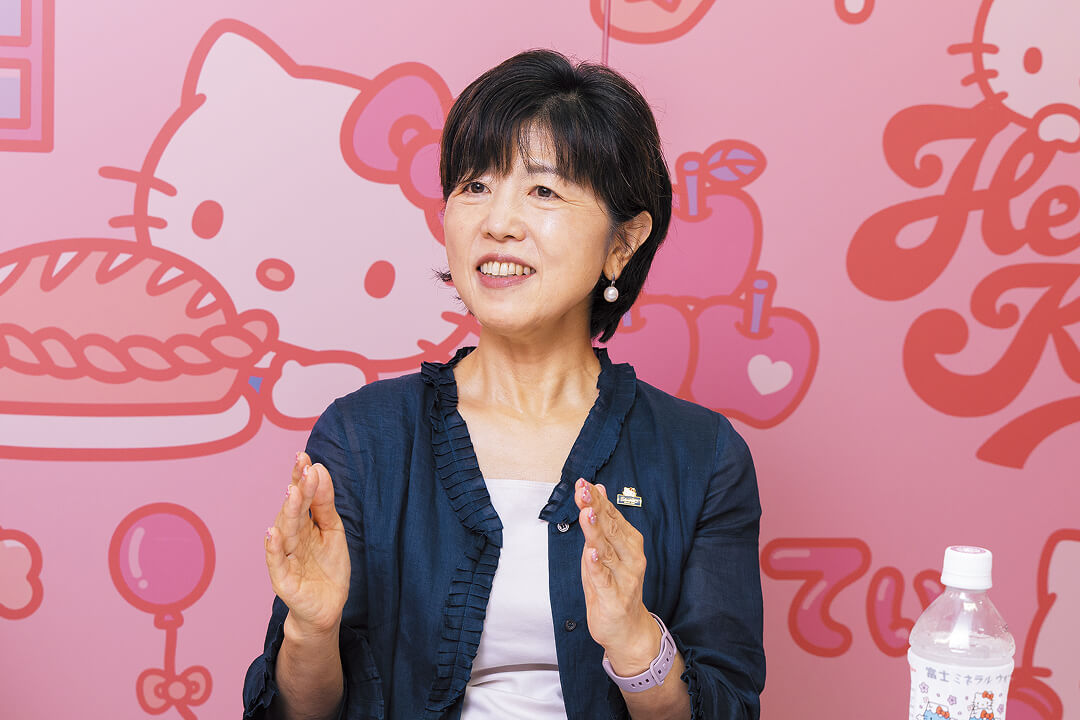
Yamanaka:The substance of our discussions has changed significantly. Previously, discussions tended to focus on moving through the agenda as an end in itself. Now we can devote time to substantive questions, such as whether a given investment is truly the right one. If every Board meeting ends with all the members saying, “Sounds good,” then there is little point in having a Board at all. That is how I see it. The more complex the business model becomes, the more essential it is to discuss difficult issues without shying away from friction. Without that, neither sound investment decisions nor risk assessment are possible. Investments also create value in ways that can’t always be measured by ROI alone. By categorizing investments according to their purpose and clearly explaining the rationale for each category, we believe we can also strengthen stakeholders’ confidence.
Sasamoto:We are now in a phase of offensive investment aimed at enhancing corporate value, but the defensive side is equally essential: specifically, discussions around exit decisions and the selection and concentration of resources. Rigorously examining the balance between offense and defense will also be one of the roles of the Board of Directors going forward.
Matsumoto:I still remember when Ms. Yamanaka once pointed out during a presentation on one of our businesses that “I don’t see any of the challenges we are facing right now” after hearing one positive point after another. To me, that was a perfect example of what the Board is really about.
Kamoda:The time devoted to discussion has definitely increased. In addition to the Sanrio Joint Compliance Committee, a Risk Management Committee has been established, and a system for conducting Groupwide risk assessments is beginning to take shape. As the “lighthouse” gains more windows (touchpoints), new stakeholders bring a greater diversity of risks. Beyond that, internal dialogue, including across our global operations, will become increasingly important. Sanrio’s culture of valuing communication should serve governance well too. We also want to create more opportunities for outside directors to engage directly with our staff on the ground.
Yamanaka:We occupy an oversight role, and that is precisely why we need a firsthand feel for frontline operations that numbers alone cannot provide. We also feel that increasing visits to overseas bases and participating more in global meetings are priorities going forward.
Matsumoto:Prompted by the recent incident, discussions are also under way to strengthen the processes of the Nomination and Remuneration Advisory Committee. What areas do you believe should be strengthened going forward?
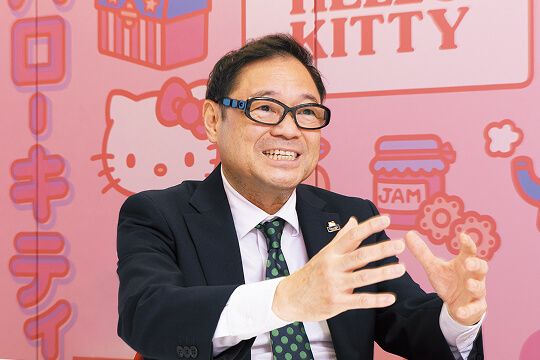
Yamanaka:Above all, I believe the effectiveness of our succession planning is the key issue. Simply defining the requirements for candidates and maintaining a list of potential successors is not enough. I have also reflected deeply on whether we truly understood what kind of person each candidate was. I believe we need to evolve our approach into a system that enables us to assess candidates from multiple perspectives, including their character and day-to-day conduct.
Sasamoto:Ongoing processes to review and discuss the succession plan are also needed. Ensuring that the Nomination and Remuneration Advisory Committee can continuously monitor and discuss the development of candidates in a visible way is, I believe, the role the Board of Directors must play going forward.
Encouraging people to take on challenges and bringing our “lighthouse” vision to life
Matsumoto:Finally, please share your message to investors and the role you hope to fulfill as an outside director.
Kamoda:We very much hope you look forward to “Sanrio Games.” I recently had the chance to play the party game myself. It has turned out to be highly polished content that faithfully captures the Sanrio world, with several more titles in the pipeline. At the same time, Sanrio’s ambitions go beyond surface-level growth. Under the corporate philosophy of “Minna Nakayoku” (Getting Along Together), I aim to support the kind of growth that is true to Sanrio—growth that brings smiles to all stakeholders.
Yamanaka:Few companies manage to combine genuine business growth with a universal mission of bringing smiles to people around the world. We hope you look forward to seeing that value spread across the world. That said, many challenges still lie ahead for Sanrio on the path to realizing that vision. Avoiding risk altogether would undermine the “lighthouse” vision, but that does not mean every risk is worth taking. The role of outside directors is not to stop the Company from taking risks, but to distinguish between risks that should be taken and those that should not. The Board of Directors aims to remain one that supports bold challenges without shying away from difficult debate when it is called for.
Sasamoto:I intend to keep a close eye on the possibilities in the digital domain going forward. As AI reshapes the world, how will Sanrio’s IP keep pace with it? Those possibilities should eventually take shape as the “lighthouse.” We invite you to watch as that vision comes into sharper focus, and we outside directors will walk alongside management to ensure the “lighthouse” stands firm. We hope that one day that light will reach beyond the boundaries of a single company and expand the possibilities of Japan’s entertainment industry.
Matsumoto:The recent incident prompted us to take a fresh look at our approach to governance. Through today’s discussion, we confirmed that Sanrio must move beyond governance as a protective mechanism and evolve toward governance that supports growth. We aim to balance bold ambition with healthy sense of tension, and to translate that balance into sustained growth and further enhancement of corporate value.